

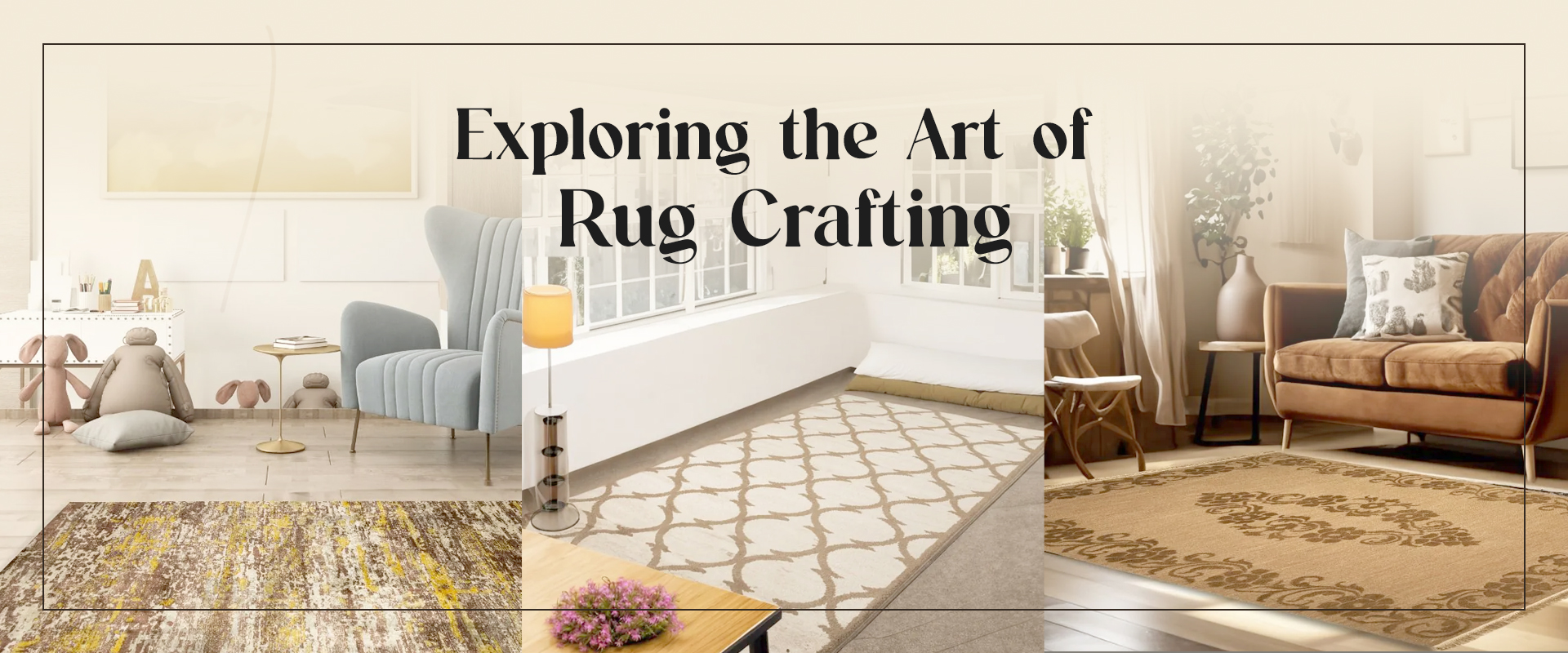
Rugs are far more than just soft surfaces underfoot. They carry the history of artisanship, the identity of cultures and the charm of intricate design—all while anchoring the decor of any space. There are a myriad of rugs available in the market nowadays. They range from hand-knotted rugs to machine-made rugs. Wondering how to decide which is right for your home or lifestyle?
There is nothing more important than understanding how different rugs are made. This can not only help you make smarter buying decisions but at the same time deepen your appreciation for this timeless craft. Join us as we take you to the fascinating world of rug-making in this blog! We promise to try our best to explore the unique characteristics of five popular types of rugs: hand-knotted, hand-tufted, hand-woven, hand-loomed and machine-made rugs.
The Timeless Beauty of Hand-Knotted Rugs
At the pinnacle of craftsmanship lies the hand-knotted rug. These masterpieces are created by a few of the most skilled artisans of all time. They individually tie thousands and sometimes millions of knots to a foundation. Even a single rug can take anywhere from several weeks to over a year to complete depending on its size and complexity when it comes to hand-knotted rugs.
These rugs are known for their durability. They often last 20–100 years or more if given proper care. This longevity when paired with intricate patterns as well as natural dyes makes them highly prized. In fact a study by Houzz says that hand-knotted rugs appreciate in value over time and are often passed down as family heirlooms.
What makes them special is not just their durability. It is the soul woven into each knot. Every piece tells a story that is highly influenced by the artisan's region, tradition as well as creativity.
Hand-Tufted Rugs: The Artful Imitators
Visually similar to hand-knotted designs but crafted much quicker, hand-tufted rugs are an ideal middle ground between artistry and affordability. Instead of knotting, artisans use a tufting gun to punch wool or other fibres through a backing, which is then sealed with latex and covered with fabric.
The result? A rug that mimics the look of hand-knotting but can be produced in a fraction of the time. They are a popular choice in UK households thereby balancing cost-effectiveness as well as design flexibility.
Their lifespan however typically ranges from 5 to 10 years thereby making them a less long-term investment. So if you are a homeowner seeking plush textures and bold designs without the premium price tag, hand-tufted options are an excellent pick.
The Earthy Elegance of Hand-Woven Rugs
Hand-woven rugs, often referred to as flatweaves, are another testament to traditional craftsmanship. These rugs lack the pile of tufted or knotted styles thereby making them lighter, reversible, and easier to clean. Hand-woven rugs are crafted on a loom by interlacing warp and weft threads in stunning patterns—often geometric or tribal in style.
These rugs are especially popular in Scandinavian, bohemian and rustic decor styles. With no backing and less density they are way more breathable and perfect for warmer climates or layered looks. According to a recent interior trend report by Elle Decoration UK, flatweave and hand-woven rugs have seen a 20% rise in popularity in sustainable home designs.
Hand-Loom Rugs: The Balance of Art and Efficiency
Hand loom rugs are created using a vertical loom as well as a technique that allows for faster production than hand-knotting but still involves artisan skill. While similar to hand-woven rugs, these typically have a denser weave and are finished with a cotton or latex backing for added durability.
They offer a more budget-friendly alternative to knotted rugs but with better build and longevity than tufted versions. Hand loom techniques often use a blend of fibres—like wool, viscose, or cotton—allowing for beautiful textures and subtle shimmer.
This technique strikes a delicate balance between artistic handwork and time-saving efficiency, making handloom rugs an attractive option for both traditional and contemporary interiors.
Machine-Made Rugs: Modern Precision at Scale
After a long list of pros and cons we arrive at machine-made rugs, the fastest and most affordable way to add colour and comfort to any space. Made by power looms, these rugs are mass-produced using synthetic fibres like polypropylene, nylon, or polyester. With a turnaround time of hours if not months these rugs are ideal for trend-driven spaces or quick makeovers.
They lack the unique variations as well as storytelling that handmade options offer. Statista is of the opinion that machine-made rugs make up nearly 80% of the global rug market, proving their dominance in everyday households.
They may not hold up as long as handmade varieties with a typical lifespan of 3–7 years especially in high-traffic areas. There is no gainsaying the fact that advances in technology are bridging the gap in quality, offering increasingly realistic textures and designs.
Choosing the Right Rug for Your Lifestyle
Here are some quick insights to help guide your decision:
- For luxury and longevity, choose hand-knotted rugs.
- For affordability with handmade flair: Go for hand-tufted or handloom rugs.
- For flexibility and ease: hand-woven rugs are lightweight and stylish.
- For budget makeovers or kids’ rooms, machine-made rugs are the most ideal.
A World Woven with Stories
The world of rug crafting is as rich as well as textured as the rugs themselves. From the centuries-old tradition of hand-knotted rugs to the tech-savvy production of machine-made rugs each style offers its own unique blend of beauty, function and value.
In a world where fast fashion often overshadows artistry choosing the right rug can be a conscious step towards preserving craftsmanship thereby supporting artisans as well as investing in quality. Whether you’re laying down a centrepiece for your living room or adding warmth to a bedroom, remember: every thread has a tale to tell.
So, the next time you’re browsing for a rug, take a closer look. Not just at the design but at the craftsmanship behind it. You might just fall in love with the art beneath your feet.